

Nature in Muscat is far more diverse than many first-time visitors expect. Beyond grand mosques, traditional souqs and modern shopping malls, the capital sits between dramatic mountains and the Gulf of Oman, creating an impressive landscape of rocky valleys, beaches, islands and natural pools.
The scenery changes quickly around Muscat. One moment you can be driving beside rugged mountain cliffs, and the next you can be standing on a quiet beach watching fishing boats move across the water.
This combination makes Muscat an excellent base for exploring the natural attractions of northern Oman.
From the vast Al Hajar Mountains to turquoise wadis and protected marine habitats, there are plenty of ways to experience the outdoors.
If you are planning your first visit, our Muscat Travel Guide can also help you combine natural attractions with the city’s cultural highlights.
Nature in Muscat: Explore the Al Hajar Mountains
The Al Hajar Mountains are among the defining Nature in Muscat of northern Oman. Their rugged limestone peaks rise dramatically behind Muscat and continue across much of northern Oman.
The mountains create a spectacular backdrop for road trips, photography, hiking and scenic viewpoints.
One of the most famous mountain destinations is Jebel Akhdar, part of the Al Hajar range. It is known for high-altitude villages, terraced farms, dramatic valleys and cooler conditions compared with the coastal plains.
Jebel Akhdar reaches approximately 2,980 metres and includes the Saiq Plateau at around 2,000 metres above sea level.
For visitors interested in geology and landscapes, the mountains offer something very different from the beaches around Muscat.
The rocks, cliffs and valleys reveal how dramatically Oman has been shaped by geological forces over millions of years.
You do not necessarily need to climb a high mountain to enjoy this scenery. Several mountain roads and viewpoints provide spectacular panoramic views and excellent photography opportunities.
Nature in Muscat: Discover Beautiful Wadis
Wadis are another essential part of Nature in Muscat. These valleys can remain dry for long periods but may transform after rainfall, with water flowing through rocky channels and collecting in natural pools.
Some wadis are particularly popular for hiking and swimming.
Wadi Al Arbeieen, located southeast of Muscat, is one example of the rugged landscapes found around the capital. The journey itself is part of the experience, with mountain scenery and rocky terrain surrounding the route.
For a longer day trip, Wadi Shab is one of Oman’s best-known natural attractions.
The official Experience Oman guide to Wadi Shab describes its limestone cliffs, turquoise pools, hiking trails and hidden waterfall inside a cave.
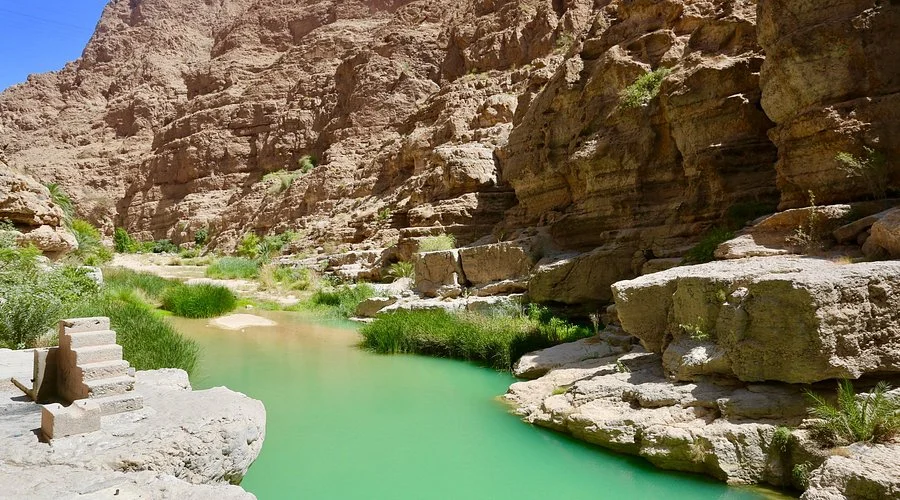
Wadi Shab is outside Muscat itself, but it is close enough to be considered one of the most rewarding nature-focused day trips from the capital.
The official tourism authority recommends suitable footwear, sun protection and carrying enough water because there are no shops inside the wadi.
Always check local conditions before entering a wadi. Heavy rainfall upstream can cause sudden flooding, even when the weather around you appears calm.
Nature in Muscat: Relax on the Beaches
Muscat’s coastline gives the city another completely different natural character.
The Gulf of Oman meets rugged mountains, rocky coves and sandy beaches around the capital, creating countless opportunities for swimming, photography, relaxing and watching the sunset.
Qurum Beach is one of the easiest beaches to reach from central Muscat. Its long shoreline makes it particularly pleasant for an evening walk.
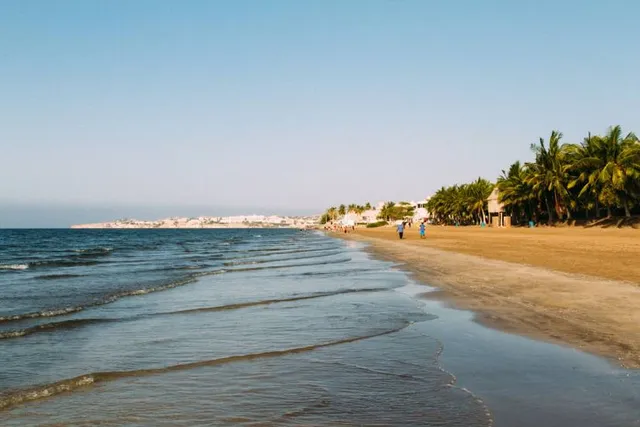
Al Bustan and Bandar Al Khairan offer a more dramatic coastal setting, with rocky landscapes and clear waters.
For a quieter experience, explore some of the smaller coastal areas outside the busiest parts of the city.
The best beach depends on what you want to do. Some are ideal for a relaxed sunset, while others are better suited to swimming, boating or exploring the coastline.
If you enjoy photography, early morning and late afternoon are especially rewarding because the softer light emphasizes the contrast between the mountains, sea and coastline.
Nature in Muscat: Visit Bimmah Sinkhole
Bimmah Sinkhole is one of the most unusualNature in Muscat attractions accessible from Muscat.
Located along the coastal route toward Sur, the sinkhole is a large limestone depression filled with striking blue-green water.
It is often combined with Wadi Shab and nearby coastal stops as part of a full-day excursion from Muscat.
Official tourism information for Oman describes Bimmah Sinkhole as a natural formation filled with water, making it a memorable stop on the route between Muscat and Sur.
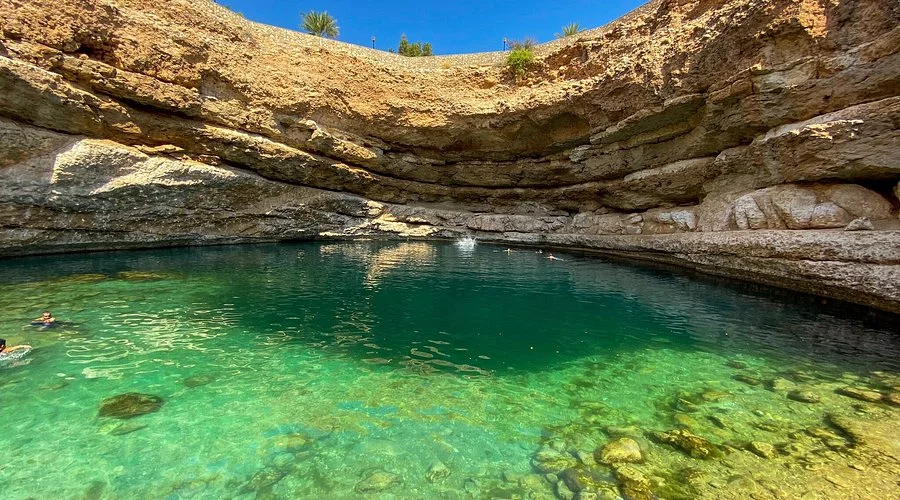
The contrast is what makes the site so fascinating. Pale limestone surrounds water that can appear intensely blue or turquoise depending on the light.
If you are planning to swim, pay attention to local conditions and safety information. Natural water environments can change, and visitors should avoid risky behavior around steep edges or unfamiliar water.
Bimmah Sinkhole is particularly photogenic in the morning when the sunlight begins illuminating the surrounding limestone.
Nature in Muscat: Explore Marine Reserves
The natural world around Muscat does not stop at the shoreline.
Just offshore, Oman protects important marine environments that support coral reefs, fish, sea turtles, seabirds and other marine life.
One of the most important protected areas of Nature in Muscat near the capital is the Daymaniyat Islands Nature Reserve.
The reserve consists of nine islands off the coast of Seeb and Barka and was established as a nature reserve in 1996. The Environment Authority identifies it as a marine reserve containing coral reefs and diverse marine and bird life.
The islands are particularly attractive for snorkeling, diving and boat excursions.
Underwater, visitors may encounter colorful reef environments and a variety of fish. Above the water, seabirds and other wildlife make the islands equally interesting for nature lovers.
Because the islands are protected, visitors must follow the applicable regulations and permit requirements.
The Environment Authority currently provides entry permits for visits and diving, while additional restrictions apply during parts of the year.
This is an important reminder that enjoying Nature in Muscat also means respecting the places that make the region special.
Nature in Muscat: Watch Wildlife Responsibly
Wildlife is one of the most exciting aspects of exploring Oman’s natural landscapes.
The mountains, wadis, beaches and islands provide habitats for many different species.
The Daymaniyat Islands are particularly important for birds and marine animals. The Environment Authority notes that the reserve supports seabirds, migratory birds, sea turtles, marine mammals, fish, algae and marine plants.
Sea turtles are among the most memorable animals visitors may encounter in Oman’s coastal environments.
Birdwatchers can also find the country’s coastline surprisingly rewarding, especially around protected areas and quieter coastal habitats.
However, wildlife watching should always be passive.
Do not touch animals, chase birds, disturb nests or remove shells, coral or other natural materials. In protected areas, even seemingly harmless actions can damage fragile habitats.
Oman’s Environment Authority states that the country has established nature reserves and protected areas to conserve habitats, wildlife and biodiversity.
Nature in Muscat: Best Outdoor Experiences
You do not have to be an experienced adventurer to enjoy Muscat’s natural landscapes.
There are experiences suitable for different interests and fitness levels.
For hikers: Explore mountain trails and wadi landscapes.
For swimmers: Look for suitable natural pools and beaches under safe conditions.
For photographers: Visit mountain viewpoints, beaches and coastal roads around sunrise or sunset.
For marine lovers: Take a permitted boat, snorkeling or diving trip to the Daymaniyat Islands.
For families: Choose accessible beaches and scenic locations where everyone can enjoy the landscape comfortably.
For road-trip enthusiasts: Follow the coastal route toward Quriyat, Bimmah Sinkhole and Wadi Shab.
The variety is what makes Muscat particularly appealing. You can spend the morning among mountains and finish the afternoon beside the sea.
Nature in Muscat: How to Explore Responsibly
Beautiful natural places are fragile, especially in a dry environment like Oman.
A responsible visitor should carry reusable water bottles, take rubbish away and avoid damaging plants or geological formations.
Never leave plastic, food waste or other rubbish behind.
When visiting marine reserves, do not touch coral or marine animals. The Environment Authority specifically prohibits collecting or destroying coral and marine species while diving in the Daymaniyat Islands Nature Reserve.
Visitors should also follow seasonal restrictions.
For example, the Environment Authority states that entering or camping on the Daymaniyat Islands is prohibited from May through October, with specific rules applying to permitted camping periods and locations.
Conditions can also change after rainfall. Wadis may become dangerous during flash floods, so checking weather and local advice before heading into a valley is essential.
Respecting these rules helps protect the landscapes and wildlife that future visitors will come to experience.
Nature in Muscat: Plan the Perfect Day Trip
One of the easiest ways to experience Muscat nature is by combining several attractions in a single day.
A coastal itinerary could begin with a scenic drive from Muscat toward Quriyat.
From there, you can continue toward Bimmah Sinkhole before reaching Wadi Shab.
The route combines mountains, coastline, geological formations and freshwater pools, giving you a remarkably varied picture of Oman’s landscape in one journey.
The official tourism platform also presents Wadi Shab and Bimmah Sinkhole together as part of popular routes from Muscat toward the coast.
If you prefer the sea, choose a Daymaniyat Islands excursion instead.
A boat trip can turn the day into a completely different experience, with opportunities for snorkeling, swimming and observing marine environments.
For mountain lovers, head inland toward the Al Hajar range and explore higher-altitude landscapes.
The best choice depends on whether you prefer mountains, freshwater, beaches or marine life.
Nature in Muscat: When Is the Best Time to Go?
The best time for outdoor activities around Muscat depends on the destination and the activity.
The cooler months are generally more comfortable for hiking, road trips and exploring mountain landscapes.
Winter and the shoulder seasons are particularly pleasant for combining several outdoor attractions in one day.
Summer can be extremely hot at lower elevations, so outdoor activities should be planned carefully. Early mornings are often more comfortable than midday.
Marine activities can offer a refreshing alternative, although visitors should always check current sea conditions and seasonal restrictions before heading offshore.
For wadis, weather is especially important. Never enter a wadi during or immediately after significant rainfall without checking local safety advice.
Nature in Muscat: A Hassle-Free Way to Explore
If you want to see the natural attractions around the capital without spending time organizing routes, transport and stops yourself, consider arranging a private excursion with Glory Tours.
Our Muscat Tours can help you explore the city’s cultural attractions while also discovering the mountains, beaches, wadis and coastal landscapes surrounding Muscat.
Visit Glory Tours Salalah to explore available tours and travel services.
For travelers who prefer a female guide, female tour guide availability can also be requested, making it easier to arrange an experience that suits your preferences.
A private tour is particularly useful for families, couples and small groups who want a more flexible schedule and a hassle-free way to explore beyond central Muscat.
Nature in Muscat: Essential Tips Before You Go
Before heading into the natural landscapes around Muscat, keep a few simple points in mind.
Carry enough water. Some wadis and remote natural attractions have no shops or facilities.
Wear suitable shoes. Rocky trails and uneven surfaces can make sandals or flip-flops uncomfortable and unsafe.
Protect yourself from the sun. Bring sunscreen, sunglasses and a hat, especially during warmer months.
Check the weather. Rain can quickly change conditions in wadis.
Respect wildlife. Observe animals from a safe distance and never disturb nests or marine life.
Follow reserve regulations. Protected areas have specific rules designed to conserve fragile ecosystems.
Leave no trace. Take your rubbish with you and leave natural places as you found them.
A little preparation can make your outdoor experience safer, more comfortable and much more enjoyable.
Nature in Muscat: The Natural Side of Oman
Nature in Muscat reveals a side of the capital that can easily be missed by visitors who focus only on its famous landmarks.
The Al Hajar Mountains create a dramatic northern horizon. Wadis bring unexpected pools and greenery into rocky valleys. Beaches provide peaceful stretches of coastline, while geological formations such as Bimmah Sinkhole show the fascinating forces that shaped the land.
Offshore, protected marine environments add another dimension.
The Daymaniyat Islands demonstrate just how rich Nature in Muscat coastal ecosystems can be, with coral reefs, seabirds, sea turtles and diverse marine life protected within a designated reserve.
Whether you prefer hiking through mountains, swimming in a natural pool, relaxing beside the sea or snorkeling above coral reefs, Muscat offers plenty of opportunities to connect with nature.
And perhaps that is the biggest surprise.
You do not have to travel far from the capital to discover some of Oman’s most memorable landscapes.