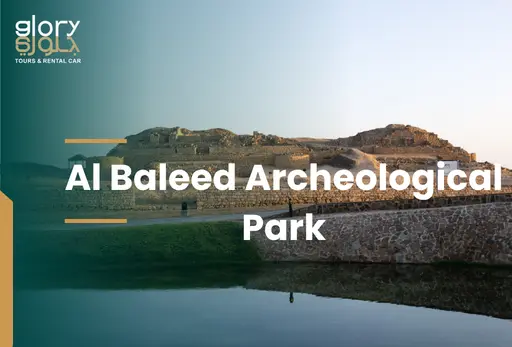
Al Baleed Archeological Park Salalah is one of the most fascinating historical attractions in Oman. Located in the heart of Salalah along the Arabian Sea coast, this UNESCO World Heritage Site tells the story of an ancient city that once played a major role in the global frankincense trade.
Today, visitors come here to explore centuries-old ruins, walk through peaceful lagoons, discover ancient mosques, and learn about Salalah’s rich maritime history. The site combines archaeology, culture, nature, and family-friendly experiences in one place.
If you are planning a trip to Salalah city, Al Baleed Archeological Park Salalah deserves a top spot on your itinerary.
For guided city tours and customized travel experiences in Salalah, visit our website Glory Tours Salalah.
Why Al Baleed Archeological Park Salalah Is So Important
Al Baleed Archeological Park Salalah stands on the remains of the ancient city of Dhofar. Historians believe the settlement existed thousands of years ago and became highly active during the late Bronze Age.
The city gained international importance between the 8th and 16th centuries because of its strategic location on the Indian Ocean trade routes. Merchants used this port to export frankincense to India, China, Africa, and other parts of the world.
Frankincense was one of the most valuable products of ancient Arabia. Much of it came from the nearby Wadi Dawkah region in Dhofar.
Because of its historical importance, UNESCO added Al Baleed as part of the Land of Frankincense World Heritage Site.
You can learn more about UNESCO heritage listings at whc.unesco.org.
Al Baleed Archeological Park Salalah and UNESCO Recognition
One of the biggest reasons tourists visit Al Baleed Archeological Park Salalah is its UNESCO World Heritage status.
The site is part of the famous Land of Frankincense collection, which includes:
- Al Baleed
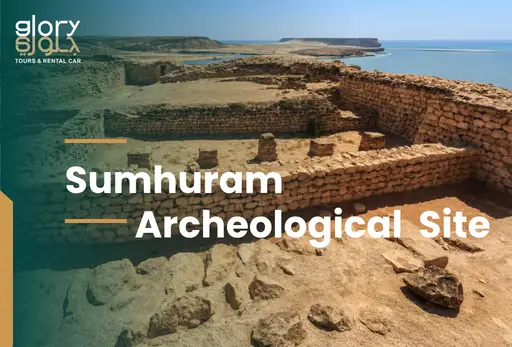
- Sumhuram
- Wadi Dawkah
- Ash Shisr
Archaeological excavations started in 1952 and continued during later decades. Researchers discovered pottery fragments, oil lamps, copper coins, decorative tiles, bowls, and jewelry.
These discoveries helped historians understand the importance of ancient Dhofar in international trade.
Best Things to See at Al Baleed Archeological Park Salalah
There are many highlights inside the park. Some visitors spend an hour here, while others stay half a day exploring every corner.
Al Baleed Archeological Park Salalah Grand Mosque Ruins
The remains of the Grand Mosque are among the most impressive parts of the site.
The mosque dates back to around the 10th century CE and covers more than 1,700 square meters. The main prayer hall once had a roof supported by 144 columns.
Many of these columns are still visible today.
The structure gives visitors a clear idea of the elegant Islamic architecture that existed in ancient Dhofar.
Ruins of the Sultan’s Palace
Near the mosque, you will find the ruins of the old palace complex.
These remains are among the largest stone structures in the archaeological park. The palace area stands near the western edge of the site and provides excellent views of the surrounding ruins.
Ancient City Wall
The old city wall was built mainly for protection.
It helped shield the settlement from seasonal floods coming from the mountains of Dhofar. Parts of the wall still remain visible and give the site a dramatic historical atmosphere.
Lagoon and Scenic Views
One of the most beautiful features of Al Baleed Archeological Park Salalah is the lagoon.
A small bridge connects the parking area to the ruins. The lagoon area is peaceful and perfect for photography.
Visitors often enjoy watching birds here during the early morning or late afternoon.
The coconut farms in the background make the scenery even more attractive.
Museum of the Frankincense Land
The Museum of the Frankincense Land is located inside the archaeological complex.
This museum is one of the best cultural attractions in Salalah.
Inside the museum, you can see:
- Artifacts from Al Baleed
- Ancient pottery and coins
- Models of traditional Omani boats
- Maritime history exhibits
- Information about frankincense trade routes
- Dhofar’s archaeological heritage
The museum also includes displays from Sumhuram and Ash Shisr.
Official information about Oman tourism can be found at experienceoman.om.
Bird Watching Tower
Nature lovers should not miss the bird observation tower.
The tower overlooks the lagoon and provides a quiet place to watch local and migratory birds.
The area becomes especially beautiful during sunset.
Opening Hours of Al Baleed Archeological Park Salalah
The park operates in two sessions during most days of the week.
Morning session: 8:00 AM to 2:00 PM
Evening session: 4:00 PM to 8:00 PM
On Fridays, the site opens only during the evening session.
Friday timing: 4:00 PM to 8:00 PM
Before visiting, it is always a good idea to confirm updated timings through local tourism sources.
Entrance Fees at Al Baleed Archeological Park Salalah
Visitors need to pay a small entrance fee to enter the archaeological park and museum.
Ticket prices depend on the type of vehicle.
- Saloon car and 4WD: 2 OMR
- Van: 20 OMR
- Coaster: 50 OMR
- Bus: 100 OMR
Prices may change during special seasons or public holidays.
Explore the Site by Walking or Golf Cart
There are two main ways to explore Al Baleed Archeological Park Salalah.
The first option is walking.
A 2.2-kilometer pathway allows visitors to move comfortably around the ruins. Walking gives you complete freedom to stop, take photos, and enjoy the atmosphere.
The second option is using the electric golf cart.
These battery-operated vehicles can carry families and groups around the site. The guided ride usually lasts around 20 minutes and costs approximately 500 baiza per person.
This option is especially useful during hot weather.
Informative Signboards Across the Site
One thing visitors appreciate about Al Baleed Archeological Park Salalah is the clear signage.
Information boards are placed throughout the site in both Arabic and English. Many signs also include illustrations and historical images.
This makes it easy for visitors to understand the significance of each area.
Nearby Attractions Around Al Baleed Archeological Park Salalah
The archaeological park sits close to several famous places in Salalah.
Popular nearby attractions include:
- Haffa Beach
- Al Husn Palace
- Al Hosn Souq
- Dahariz Beach
- Coconut Huts
Many travelers combine these locations into a single city tour.
You can book guided Salalah excursions and private tours through Salalah city tour.
Best Time to Visit Al Baleed Archeological Park Salalah
The best time to visit is during the Khareef season between June and September.
During this period, Salalah becomes green and cool due to the monsoon rains.
However, the site is open year-round and can also be enjoyed during winter months when temperatures are pleasant.
For photography, early morning and sunset are the ideal times.
Travel Tips for Visiting Al Baleed Archeological Park Salalah
Here are a few simple tips to make your visit more enjoyable:
- Wear comfortable walking shoes
- Carry water during hot months
- Visit the museum before sunset
- Bring a camera for lagoon views
- Read the information boards carefully
- Try the golf cart if traveling with children
A guided tour like our Salalah city tour can also help you understand the deeper history of the site.
Conclusion on Al Baleed Archeological Park Salalah
Al Baleed Archeological Park Salalah is much more than an ancient ruin. It is a place where history, culture, nature, and archaeology come together in a truly unforgettable setting.
From the ruins of the Grand Mosque to the peaceful lagoon and the fascinating Museum of the Frankincense Land, every corner of the site tells a story.
Whether you are a history lover, photographer, family traveler, or cultural explorer, this UNESCO World Heritage Site offers a memorable experience in the heart of Dhofar.