Mughsail Blow Holes Salalah is one of the most exciting natural attractions in southern Oman.
If you are visiting Salalah, this place deserves a top spot on your list.
It is dramatic.
It is loud.
It is completely natural.
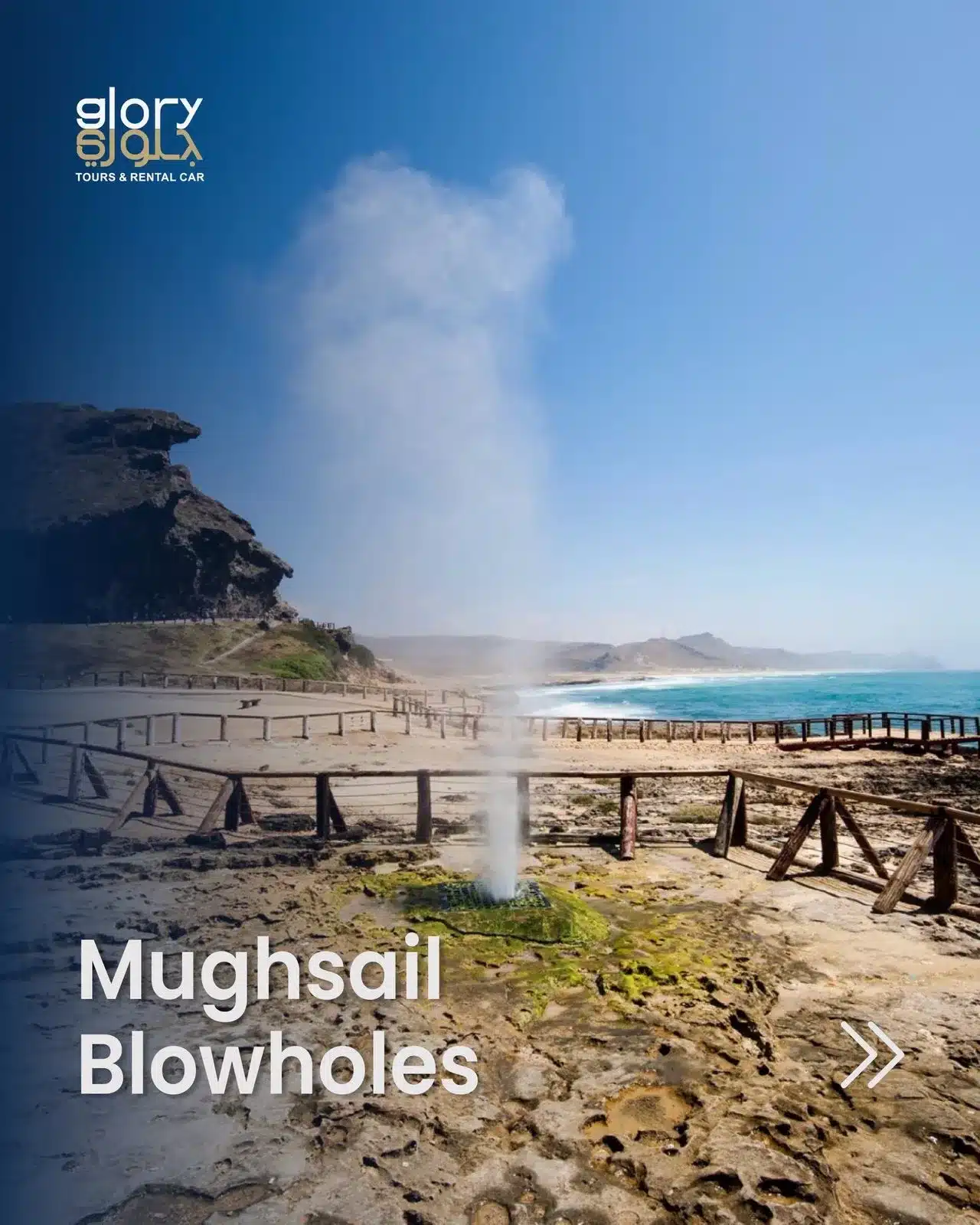
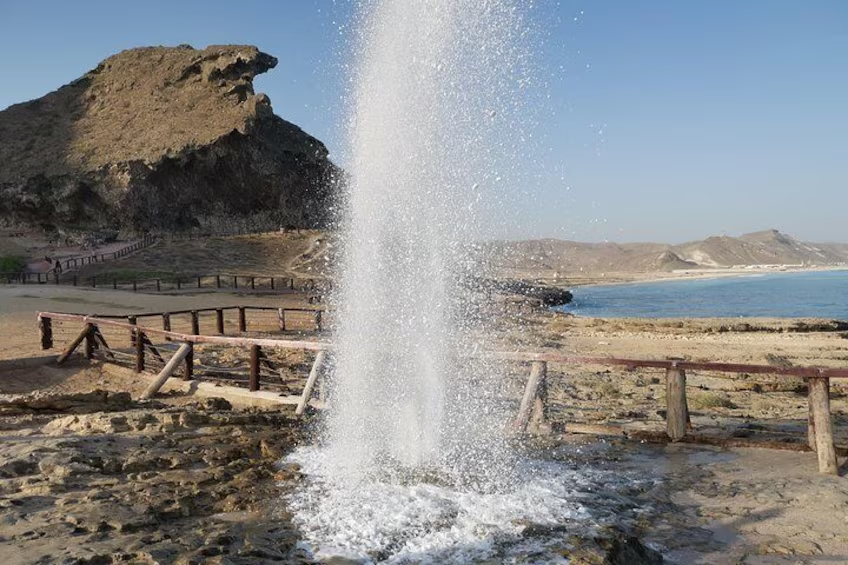
When waves hit the cliffs, seawater shoots high into the air through narrow rock openings. The sound echoes across the coastline. During strong tides, the spray can reach impressive heights.
But there is more to this place than just water explosions.
In this guide, you will learn how to visit, the best time to go, what causes the blowholes, and why they matter to Dhofar’s heritage.
Why Mughsail Blow Holes Salalah Is So Special
Mughsail Blow Holes Salalah sits about 40–45 minutes west of Salalah city center.
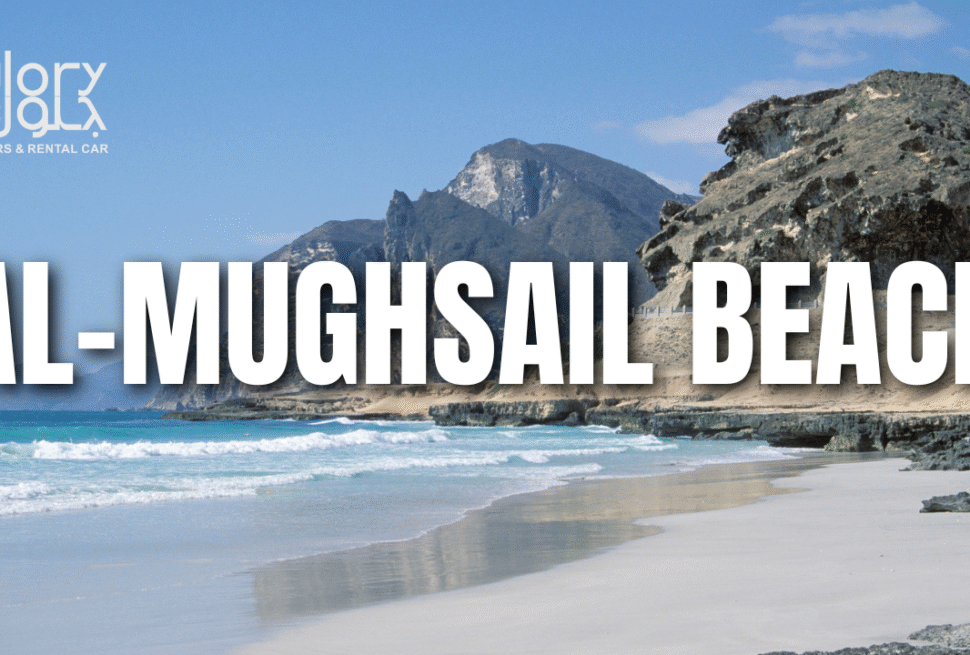
It is located along the scenic coastal road near Al Mughsail Beach, one of the most beautiful beaches in the Salalah.
What makes this spot different is the combination of:
- Powerful Arabian Sea waves
- Natural limestone cliffs
- Underground sea caves
- Monsoon winds during Khareef
When all of this comes together, the result is unforgettable.
How to Visit Mughsail Blow Holes Salalah
Getting There from Salalah
The easiest way to reach Mughsail Blow Holes Salalah is by car.
There is no regular public bus service to the site. Most visitors choose:
- Rental car
- Taxi
- Guided tour
The drive itself is part of the experience. The coastal highway offers stunning ocean views.
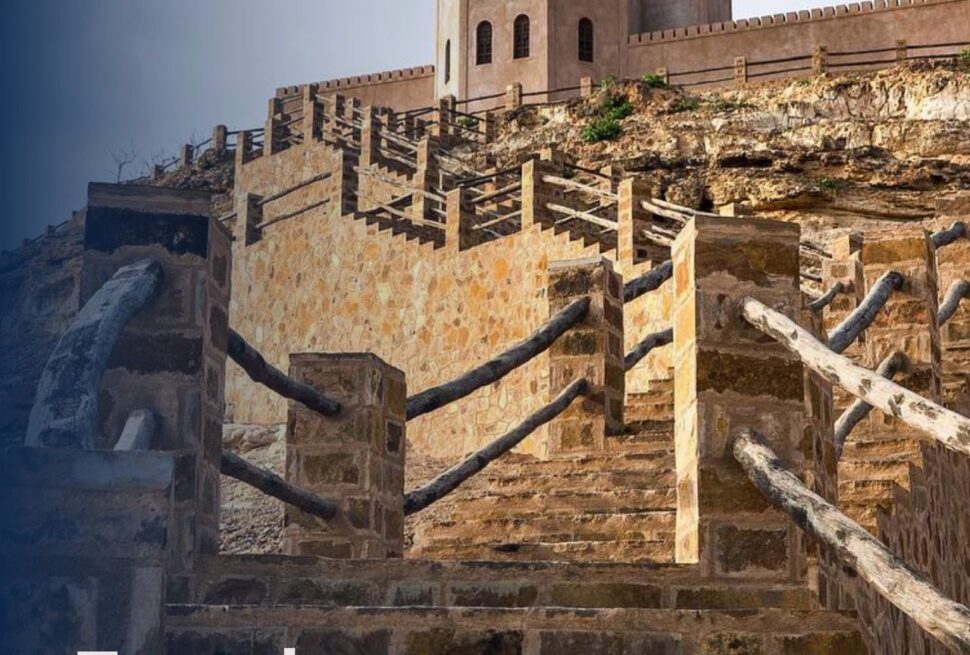
Parking is available near the blowholes. From there, you walk along a paved path toward the cliff area near Marneef Cave.
The walk is short and easy.
See Mughsail Blow Holes Location
Entry Fees and Facilities
Good news.
There is no entrance fee.
The area includes:
- Free parking
- Viewing platforms with railings
- Walkways
- Basic restrooms
- Small refreshment kiosks
- Picnic areas
Safety signs are clearly posted. During high waves, keep your distance from the edge.
This is a natural coastal area, so wear comfortable shoes and bring water.
Best Time to Visit Mughsail Blow Holes Salalah
During Khareef Season (June to September)
This is when Mughsail Blow Holes Salalah is at its most dramatic.
Khareef is the monsoon season in Salalah. Strong winds from the Indian Ocean create powerful waves.
Bigger waves mean stronger blowhole eruptions.
The surrounding hills also turn green, which makes the scenery even more beautiful.
However, swimming is not allowed during this period due to strong currents.
High Tide Is Key
Timing matters.
Visit 1 to 2 hours before high tide for the strongest water bursts.
During low tide, the blowholes are less active.
If you enjoy photography, early morning or late afternoon gives you better light and cooler temperatures.
The Science Behind Mughsail Blow Holes Salalah
Let’s keep it simple.
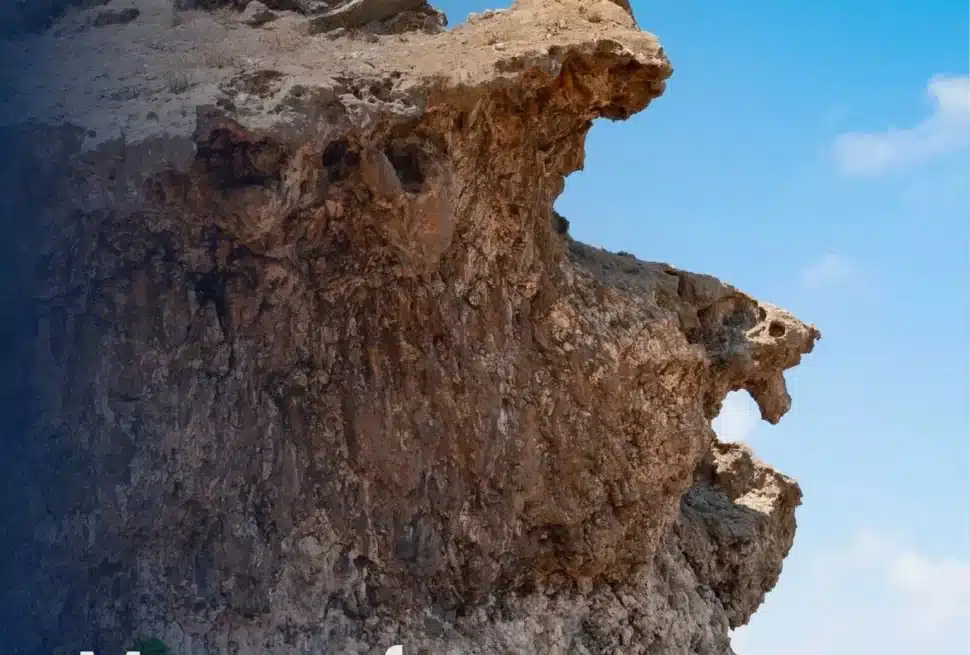
Mughsail Blow Holes Salalah exists because of limestone rock and constant wave erosion.
Over thousands of years, waves carved tunnels and sea caves into the cliffs.
When waves rush into these caves:
- Air gets trapped.
- Pressure builds.
- Water shoots upward through vertical holes.
That is the blowhole effect.
During strong monsoon winds, the pressure increases. That is why the spray can rise several meters into the air.
The cliffs here are part of the Salalah limestone formations, shaped by ancient marine environments.
Cultural and Historical Importance
Mughsail Blow Holes Salalah is not just about geology.
Local stories add another layer.
Some traditional legends describe the spray as the “breath of the sea.” Older generations believed the roaring sound carried spiritual meaning.
The region itself is historically important. Dhofar was a center of the frankincense trade for centuries.
Frankincense trees still grow in parts of the surrounding landscape.
Nearby Attractions You Should Combine With Your Visit
When visiting Mughsail Blow Holes Salalah, do not stop there.
Al Mughsail Beach
Wide white sand.
Clear water outside monsoon season.
Perfect for walking and relaxing.
Marneef Cave
Located directly above the blowholes.
It offers panoramic views of the Arabian Sea.
Great photo spot.
Fazayah Beach
Further west. More remote.
Crystal-clear water and dramatic cliffs.
If you want to explore more in one day, this area fits perfectly into a structured tour.
You can also explore our internal travel guide here:
West Salalah Half Day Tour
West Salalah Full Day Tour
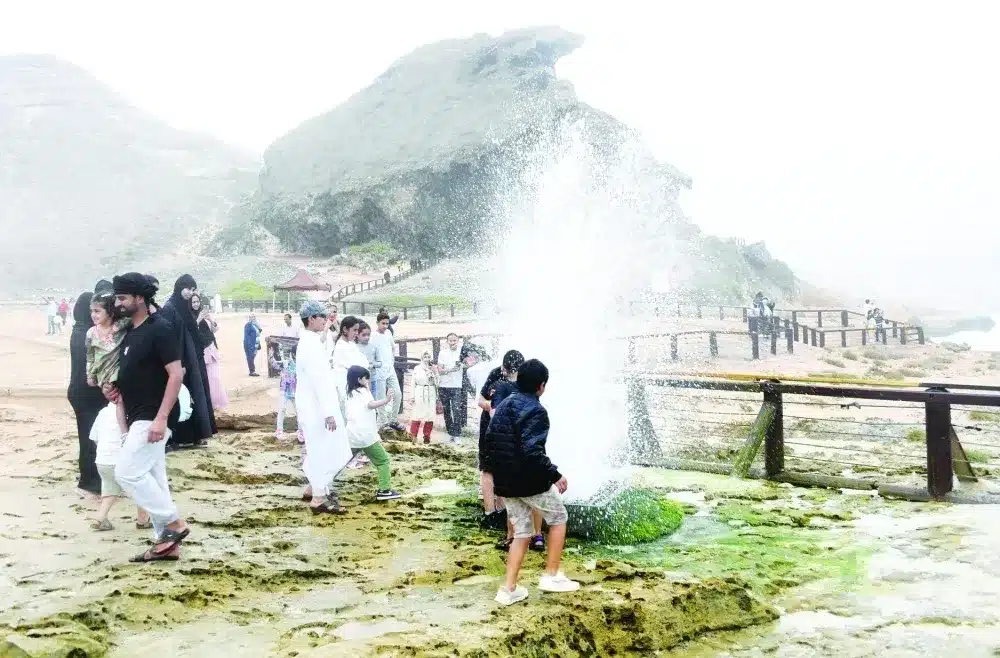
Explore More With an West Salalah Tour
If you prefer a relaxed experience without worrying about navigation, our guided tours are a smart option.
West Salalah Half Day Tour
Ideal if you have limited time.
Covers key coastal highlights efficiently.
West Salalah Full Day Tour
More immersive.
Includes beaches, viewpoints, historical sites, and scenic valleys.
You experience Mughsail Blow Holes Salalah as part of a complete Salalah journey.
It saves time and gives context to what you are seeing.
Travel Tips for Mughsail Blow Holes Salalah
- Check tide timing before you go
- Avoid standing too close to cliff edges
- Wear comfortable walking shoes
- Bring water and sun protection
- Visit during Khareef for maximum impact
- Respect nature and keep the area clean
Simple steps. Big difference.
Conclusion
Mughsail Blow Holes Salalah is raw nature at its best.
It combines science, scenery, sound, and local culture in one location.
You do not need special equipment.
You do not need hours of hiking.
Just good timing and curiosity.
Visit during high tide.
Experience it in Khareef if you can.
Pair it with nearby beaches and caves.
And if you want everything organized smoothly, our West Salalah half day and full day tours make the experience simple and memorable.
When you stand there and hear the roar of the ocean beneath your feet, you understand why Mughsail Blow Holes Salalah remains one of the most impressive natural highlights in Oman.