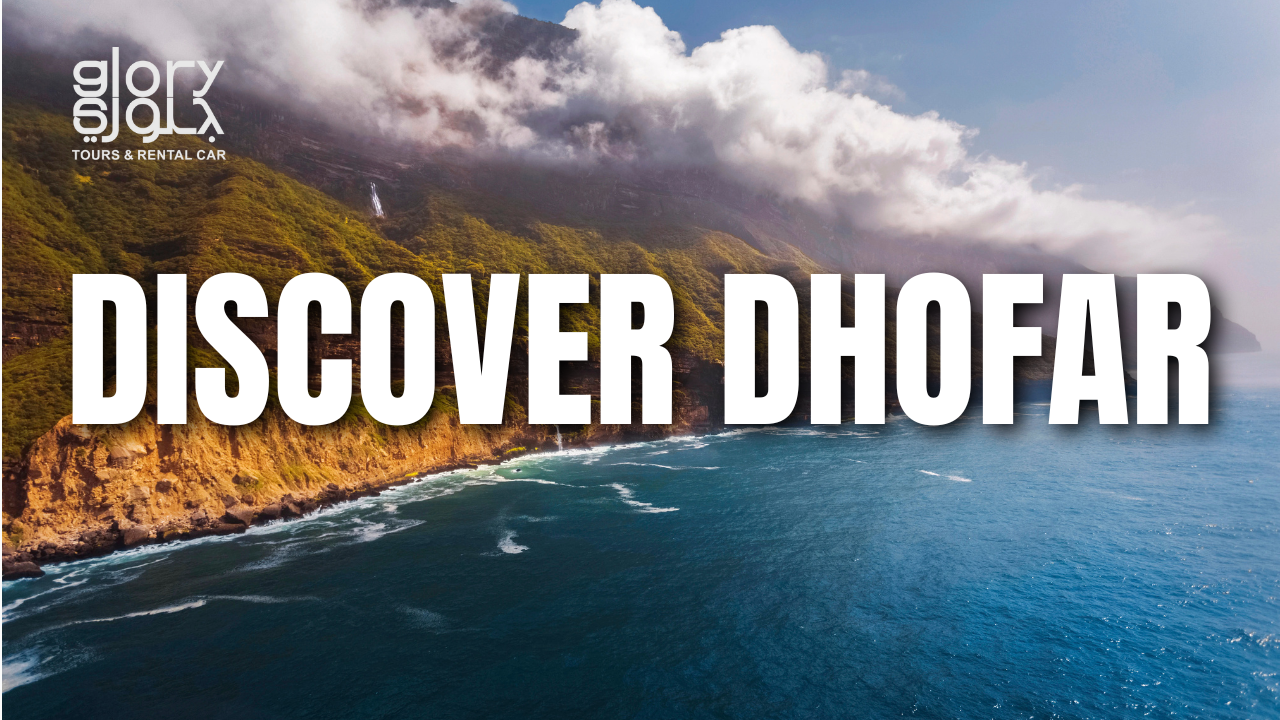
Discover Dhofar Oman, one of the most remarkable regions in the Sultanate of Oman, rich in ancient civilizations, deep-rooted history, and outstanding natural beauty. Known as the land of frankincense, incense, and royal palaces, Dhofar combines ancient heritage with modern development. Its unique seasonal climate—especially during the Khareef (autumn) season—attracts visitors from around the world to enjoy green mountain slopes, gentle mist, waterfalls, and breathtaking landscapes.
As a comprehensive travel guide, Discover Dhofar Oman highlights the region’s geography, climate, culture, and seasonal beauty, making it an essential resource for travelers planning to visit southern Oman.
Where Is Dhofar Governorate Located and What Is Its Capital?
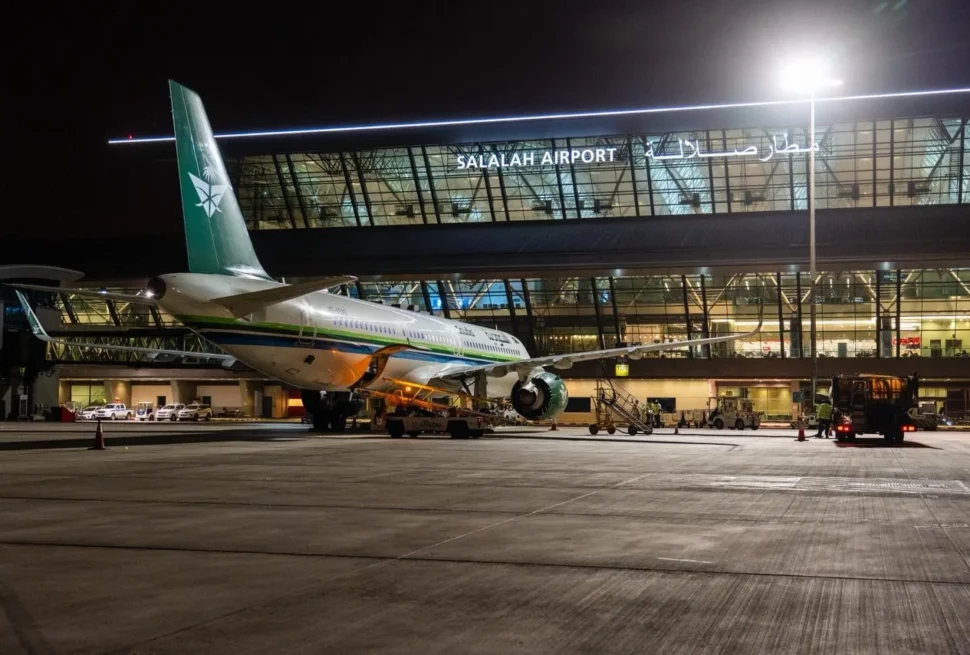
Dhofar Governorate is located in the southernmost part of the Sultanate of Oman, at the southeastern tip of the Arabian Peninsula, where the Arabian Sea meets the Indian Ocean. The capital of Dhofar Governorate is Salalah, the cultural and administrative heart of southern Oman.
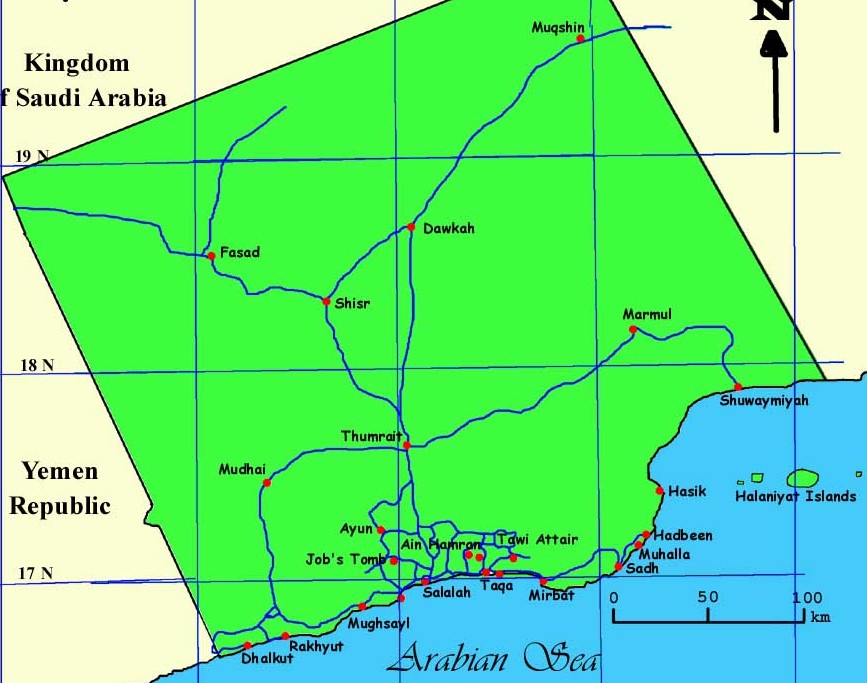
Geographical Location of Dhofar Oman
Dhofar connects to the central region of Oman from the east, borders Yemen from the southwest, overlooks the Arabian Sea from the south, borders Saudi Arabia from the west, and the Rub’ al Khali desert from the north.
Why Dhofar Oman Has a Unique Strategic Location
Dhofar Governorate enjoys a rare strategic geographical location that combines sea, fertile plains, green mountains, and vast desert landscapes in one region—an exceptional feature rarely found elsewhere in the Arabian Peninsula.
Size of Dhofar Governorate
Dhofar covers an area of approximately 103,800 square kilometers, accounting for nearly 33% of the total area of the Sultanate of Oman, making it one of the largest governorates in the country.
Population of Dhofar Governorate
Dhofar Governorate comprises several wilayats, including Taqa, Mirbat, Rakhyut, Thumrait, Dalkut, Al Mazyunah, Maqshan, Shalim, Al Hallaniyat Islands, Sadah, and the capital city, Salalah.
According to the 2019 General Census of Population, Housing, and Establishments, the population of Dhofar Governorate is 457,764.
Where Is Salalah Located?
Salalah is situated on a vast, fertile coastal plain dotted with coconut groves and banana plantations, near the northern slopes of the Dhofar Mountains. The city overlooks both the Indian Ocean and the Arabian Sea.
Meaning of the Name Salalah
The name Salalah refers to the sound of flowing water, scattered rain, purity, and clear, sparkling streams. One of Salalah’s well-known titles is the “Breadbasket of Oman”, due to its abundance of agricultural products.
Important Areas of Salalah
Salalah includes many important districts such as Al-Balid, Al-Hafa, Al-Hisn, East Salalah, West Salalah, Central Salalah, Al-Dahariz, Sahlanout, Al-Saada, Raysut, Zik, Hajif, Nashab, Qayrun Hairiti, Ateen, and Ghadu.
Ancient Mosques in Salalah
Among the most famous historic mosques in Salalah are Aqeel Mosque, Sheikh Abdulaziz bin Ahmed Al Sheikh Mosque, Al Haddad Mosque, and Siraat Al Ajam Mosque (Habr) near the Gold Market. These mosques are especially popular during the holy month of Ramadan and were historically known as centers of learning and religious scholarship.
Sultan Qaboos Mosque – A Landmark of Salalah
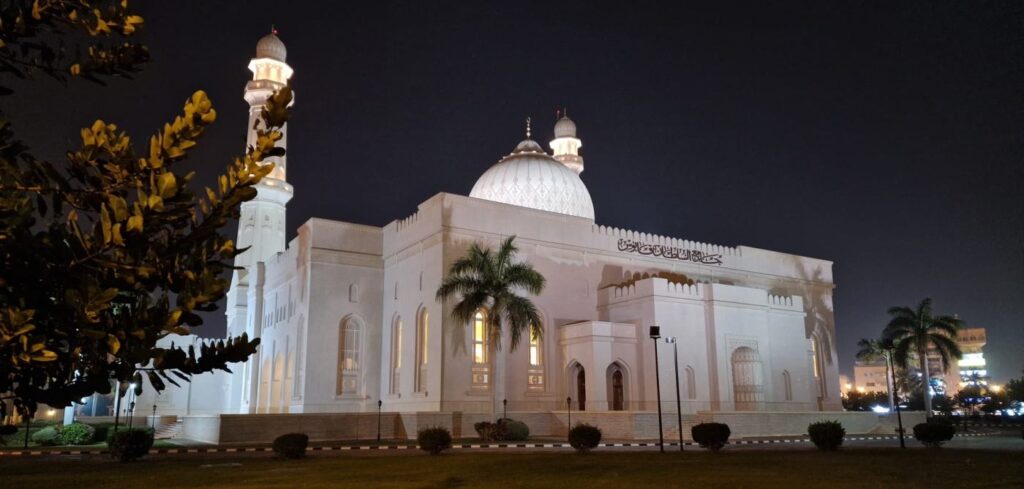
The Sultan Qaboos Mosque is the most important religious and architectural landmark in Salalah. Located in the city center, it was inaugurated on July 10, 2010, and stands as a symbol of modern Islamic architecture in Dhofar.
Languages Spoken in Dhofar Oman
In addition to Arabic, several indigenous languages are spoken in Dhofar, including Shahria (Jabalia), Mahri, Harsoosi, and Batahri. These languages trace their roots to the ancient Himyarite civilization. English is also widely spoken as the language of business, education, and tourism.
Origin and Meaning of the Name Dhofar
Dhofar is believed to be named after Dhofar son of Ham son of Prophet Noah. Linguistically, the name refers to aromatic plants, reflecting Dhofar’s historic role in the frankincense trade. It also symbolizes victory and triumph.
Historically, Dhofar was known by several names, including Safar, Obar, Erim, Dafa’u, and the Land of Punt. The Greeks referred to it as Arabia Felix (The Land of Happiness).
Geographical Features of Dhofar Governorate
Dhofar is divided into three main geographical zones:
- Coastal Area: Extending from Dalkut to Sharbith in Shuwaymiyah
- Mountainous Area: Including Jabal Al Qamar, Jabal Al Qara, and Jabal Samhan
- Desert and Najd Area: Characterized by plateaus and small hills
Highest Peak in Dhofar Mountains
The highest peak in Dhofar is Mount Samhan, rising approximately 2,500 meters above sea level. The peak is accessible via paved roads and offers spectacular panoramic views.
Climate of Dhofar Oman and the Monsoon Phenomenon
The climate of Dhofar Oman is moderate throughout the year, with cooler temperatures in the mountains. Summer temperatures can reach the mid-30s Celsius, while winter temperatures often remain in the low 20s.
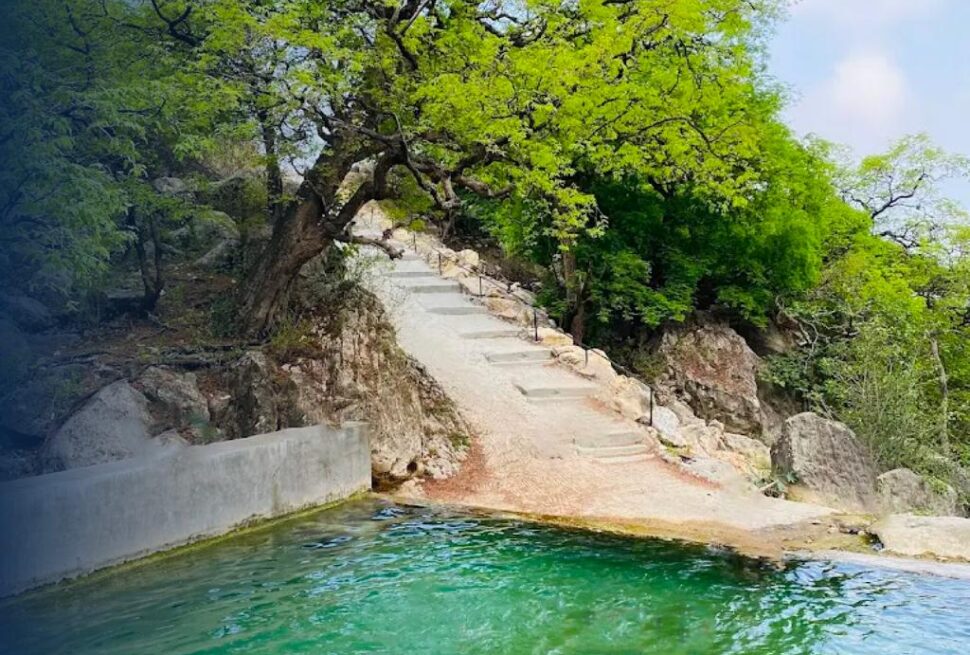
Dhofar is uniquely affected by southwesterly monsoon winds, which bring rainfall during the summer months, transforming the mountains into lush green landscapes covered in mist—an event locally known as the Khareef season.
The monsoon-driven climate is one of the main reasons travelers discover Dhofar Oman as a unique destination unlike anywhere else in the Gulf region.
Seasons of Dhofar Governorate
| Season | Time Period | Local Name | Characteristics |
|---|---|---|---|
| Autumn | June – September | Khareef | Mist, drizzle, fog, green mountains, waterfalls |
| Spring | September – December | Al-Sarab | Clear skies, harvest season, abundant fish |
| Winter | December – March | Winter | Cooler weather, dry northern winds (Abu Khariqa) |
| Summer | March – June | Al-Qayz | Hot and humid, preceding the Khareef |
Understanding the seasons helps visitors better discover Dhofar Oman and choose the best time to experience its landscapes and traditions.
Why Locals Call Summer “Autumn
Unlike most regions of the world, summer in Dhofar is marked by rainfall, flowing valleys, waterfalls, and lush greenery due to monsoon winds. For this reason, locals traditionally refer to the summer season as autumn.
Summary: Discover Dhofar Oman
Dhofar Governorate stands as the jewel of southern Oman, offering a rare combination of history, geography, climate, and cultural richness. From its frankincense heritage and ancient civilizations to its monsoon-driven landscapes and vibrant social traditions, Discover Dhofar Oman as one of the most unique and captivating destinations in the Arabian Peninsula, where history, monsoon landscapes, and rich culture come together in one unforgettable journey.
Planning your journey? Explore Salalah and Dhofar with local experts and experience the Khareef season, mountains, and coastal beauty through guided tours across southern Oman.